“A company should care for its people so thoroughly that they have no reason to look elsewhere.” — The spirit of Tomáš Baťa
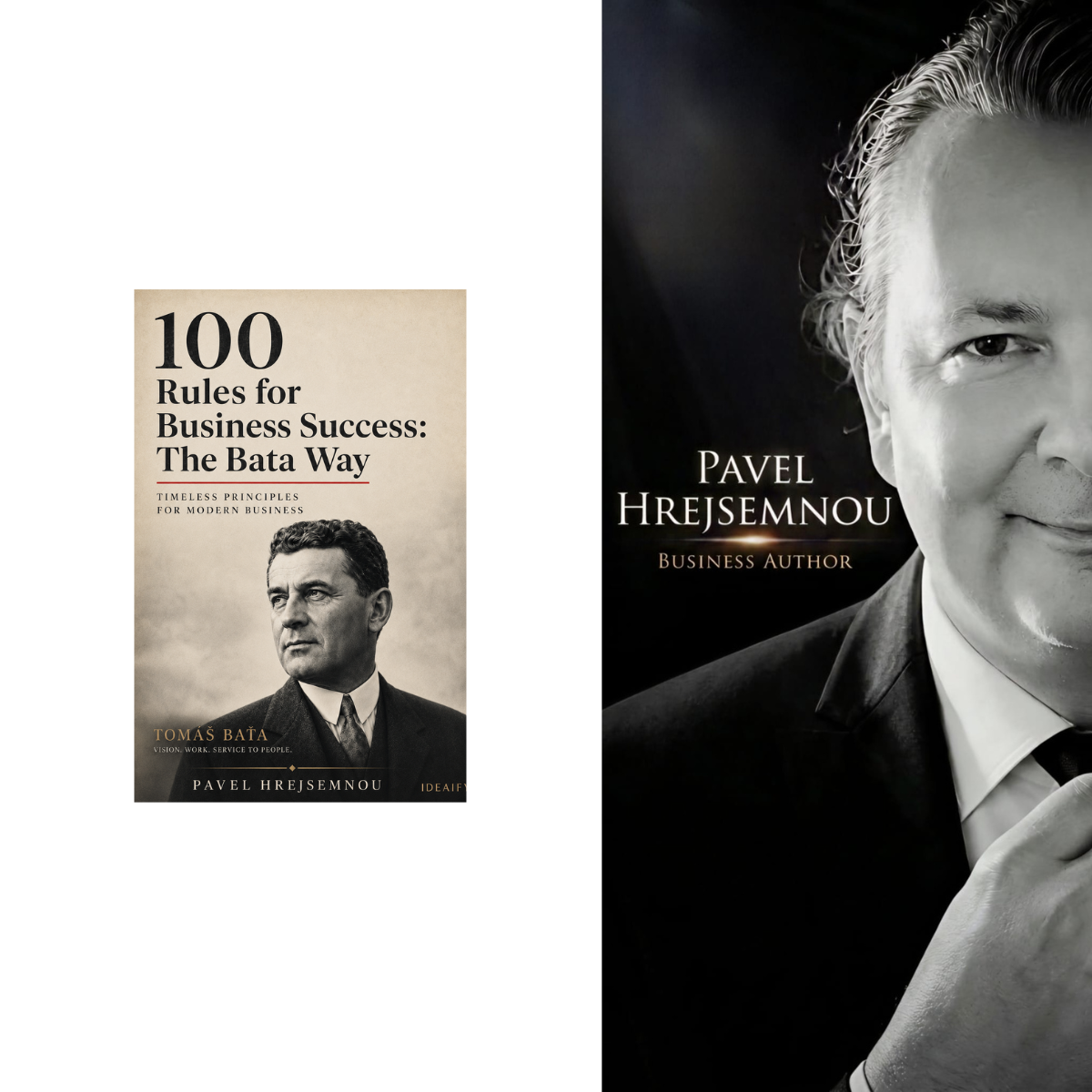
In the 1920s, Tomáš Baťa didn’t just build a shoe factory; he built a utopia. In Zlín, employees had access to modern housing, world-class healthcare, education, and leisure facilities. It was a masterpiece of social engineering and operational efficiency. But it came with a silent contract: the company’s care extended into every corner of the worker’s life, and in return, the company expected absolute loyalty and adherence to its rules.
A century later, we are witnessing a striking parallel. Silicon Valley giants and modern startups are building “corporate campuses” that offer gourmet food, nap pods, gyms, and laundry services. On the surface, it looks like ultimate employee well-being. But beneath the free kombucha and yoga classes lies a controversial question: Are we witnessing a benevolent evolution of workplace culture, or a new form of voluntary serfdom?
The Fine Line Between Care and Control
Tomáš Baťa’s system was brilliant because it eliminated friction. A worker didn’t have to worry about rent or groceries; they could focus entirely on production. Today’s tech campuses operate on the same psychological premise: remove all external friction so the employee never has to leave.
But when the boundaries between “work” and “life” dissolve, the power dynamic shifts. If your employer provides your home, your food, your social circle, and your entertainment, dissent becomes incredibly costly. You are no longer just an employee; you are a resident of a corporate ecosystem. And in such ecosystems, the company’s values don’t just guide your work—they dictate your existence.
As a CEO or COO, you must ask yourself a brutal question: Are we building a supportive environment that empowers our people, or are we building a gilded cage that quietly demands their total submission?
The Baťa Nuance: Autonomy Within the System
It is a misconception that Baťa’s system was purely oppressive. In fact, his famous “autonomous workshops” were designed to give teams direct ownership of their results, profits, and mistakes. He demanded discipline, yes, but he also demanded radical responsibility. He didn’t want mindless cogs; he wanted thinking partners who understood the system.
The danger for modern leaders isn’t in providing perks. The danger lies in providing perks without granting true autonomy. When you give employees free meals but micromanage their every keystroke, you don’t create loyalty. You create cognitive dissonance and eventual burnout.
The Antidote: The Interface Audit
How do you prevent your company culture from sliding into creepy paternalism or toxic overreach? You stop trying to “manage” your employees’ lives and start managing the interfaces between your systems and their humanity.
An Interface Audit is a strategic intervention that identifies where your corporate policies, communication flows, and operational demands create destructive friction for your people. It asks the hard questions:
- Do our “wellness” initiatives actually reduce stress, or do they just mask an unsustainable workload?
- Are our communication tools empowering collaboration, or are they creating an expectation of 24/7 availability?
- Do our performance metrics reward genuine value creation, or just “face time” in the office?
When you clear these interfaces, you don’t need to control your people’s lives. You give them the clarity, resources, and boundaries they need to do their best work and then go home. You replace paternalistic control with systemic respect.
Build a Community, Not a Colony
Tomáš Baťa proved that a company can profoundly shape its environment for the better. But the leaders who will win the next decade are those who understand that care without boundaries is control.
Empower your people with world-class systems, fair compensation, and a clear mission. But respect their right to disconnect, to dissent, and to live a life outside your walls. That is the true legacy of a modern Empire Builder.
Is your company culture empowering your team, or quietly suffocating them?
Discover how an Interface Audit can identify hidden cultural friction, restore healthy work-life boundaries, and build a truly resilient, high-performing organization.