Table of contents
Share Post
Why Your AI Strategy Fails Without the Invisible Contract
We are obsessed with algorithms. We optimize workflows, automate decisions, and integrate artificial intelligence into every layer of management. We treat organizations as machines that simply need better software to run efficiently.
But the machine is breaking.
Not because the code is bad. But because we forgot the oldest operating system in business: The Invisible Contract.
Every employee signs a paper contract for salary and hours. But beneath that lies a psychological agreement that determines whether they actually work or just exist at their desk. This unwritten pact says: “If I give you my creativity, loyalty, and discretionary effort, you will give me meaning, trust, and dignity.”
When you replace human judgment with cold automation without rebuilding this trust, you aren’t innovating. You are breaching the contract.
The Diagnosis: Technology Amplifies What Already Exists
You can buy the most advanced AI on the market. You cannot buy commitment. You cannot automate belonging. And you certainly cannot algorithmically generate the trust required to lead humans through uncertainty.
Technology is an amplifier. If your cultural foundation is cracked, AI will only accelerate the collapse.
- Quiet quitting isn’t laziness. It’s a rational response to a broken promise.
- Turnover isn’t a market issue. It’s a symptom of organizational amnesia.
- AI adoption fails not because of tech literacy, but because people refuse to serve systems that don’t see them.
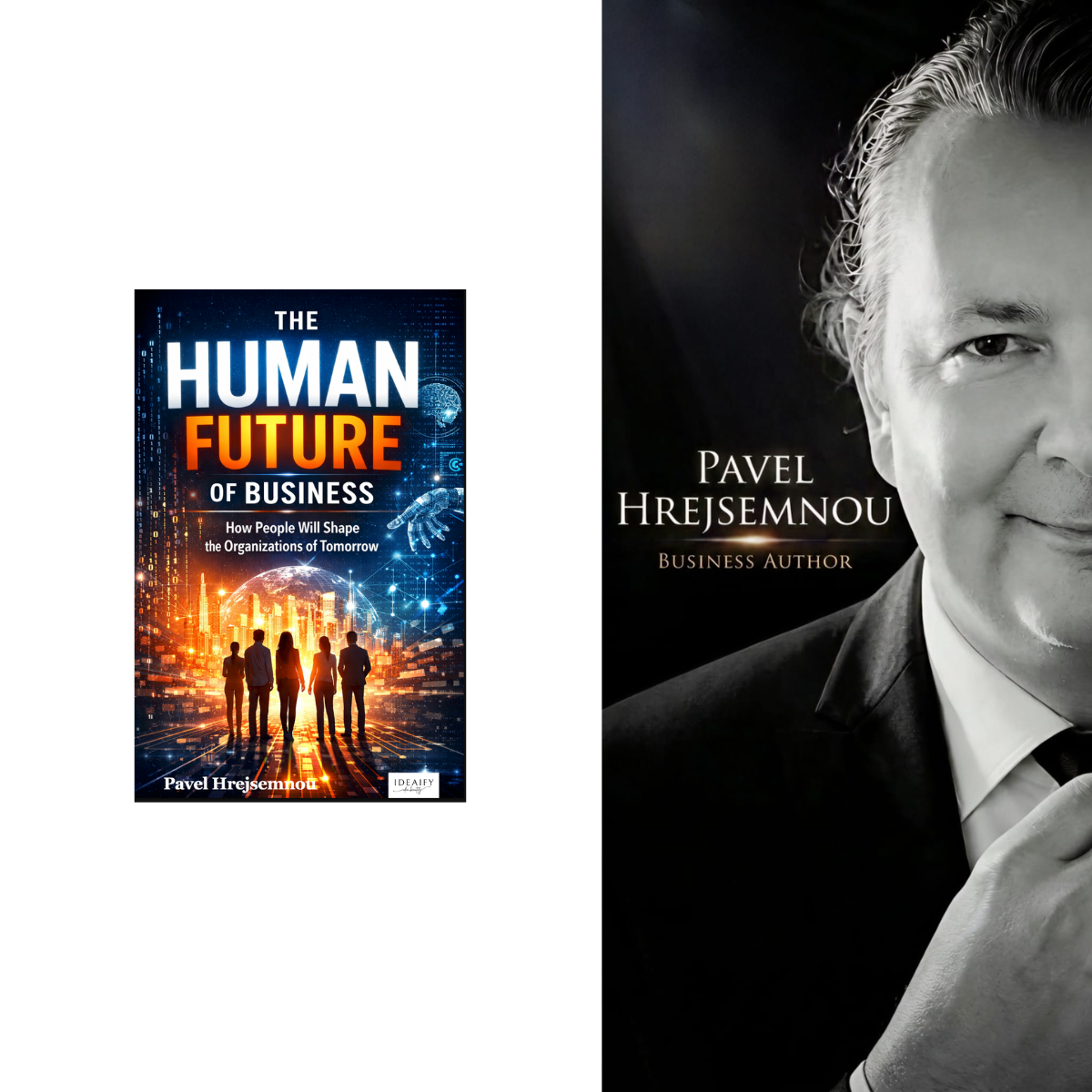
In my book, The Human Future of Business, I argue that the next competitive advantage isn’t technological—it’s relational. Organizations that understand this principle build systems designed to attract talent, develop capability, and create environments where human potential thrives alongside digital tools.
Rebuilding the Foundation
So, how do you rebuild the invisible contract in an age of artificial intelligence? How do you design organizations where technology serves human potential rather than replacing it?
The blueprint for this new era isn’t found in a software manual. It requires a fundamental shift from managing resources to cultivating human potential. It demands leaders who act not as controllers, but as architects of trust, purpose, and psychological safety.
This is not soft theory. It is hard strategic necessity. In a world where machines perform routine tasks with increasing efficiency, uniquely human abilities—creativity, ethical judgment, empathy, and imagination—become the most important sources of innovation and long-term success.
The Framework Is Here
I have spent decades observing how companies evolve, how leaders succeed or fail, and how people search for meaning in the environments where they spend their lives. I’ve distilled these insights into a comprehensive guide for modern leaders.
Stop treating people as interchangeable resources. Start building the human infrastructure that makes your technology actually work.