“Profit is not what you make. It is what you don’t lose.” — Henry Ford (Rule 41)
When Henry Ford introduced the moving assembly line, he didn’t just put the world on wheels. He inadvertently put the world on a conveyor belt to the landfill. The Model T democratized mobility, but it also birthed the modern era of mass consumption, fossil fuel dependency, and the “take-make-dispose” economic model.
Today, as CEOs and COOs, you are caught in the ultimate paradox: How do you maintain the capitalist demand for infinite growth on a finite planet?
The Great Capitalist Delusion: Volume vs. Value
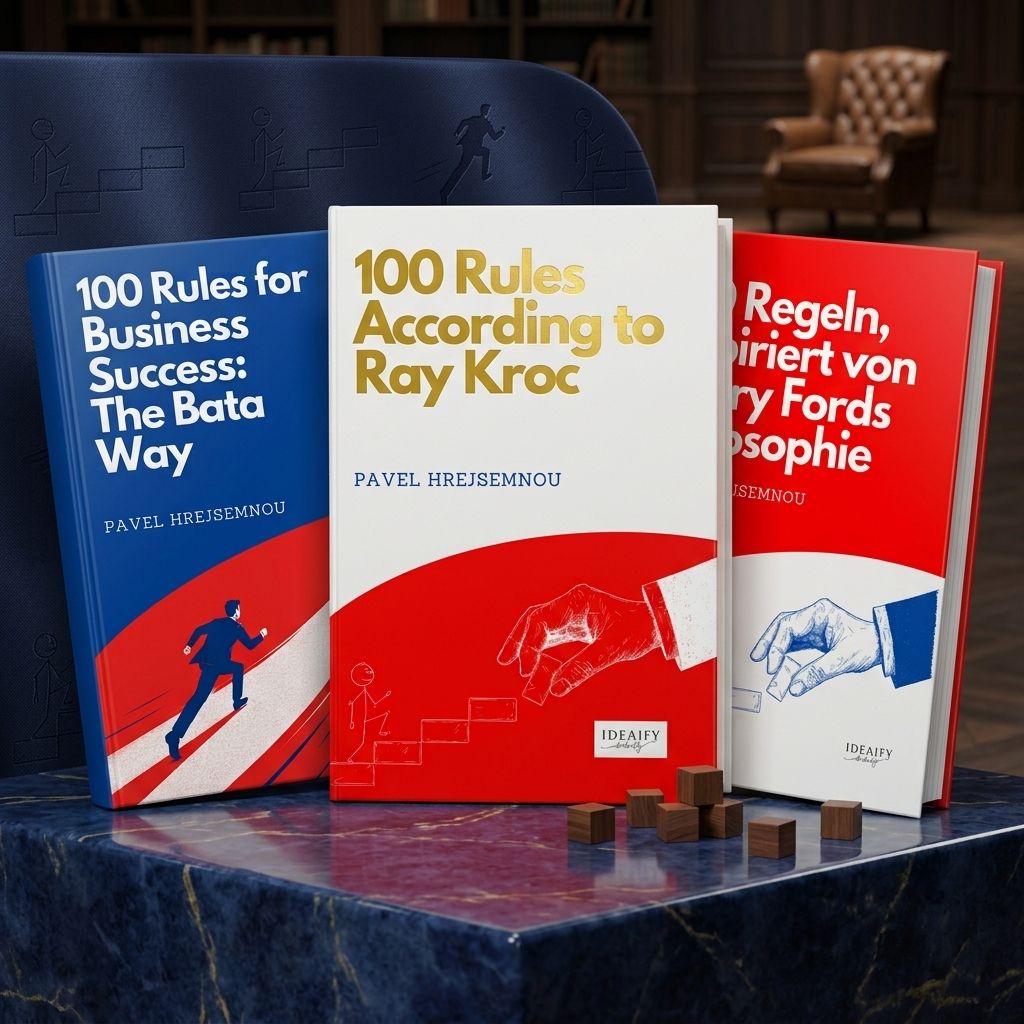
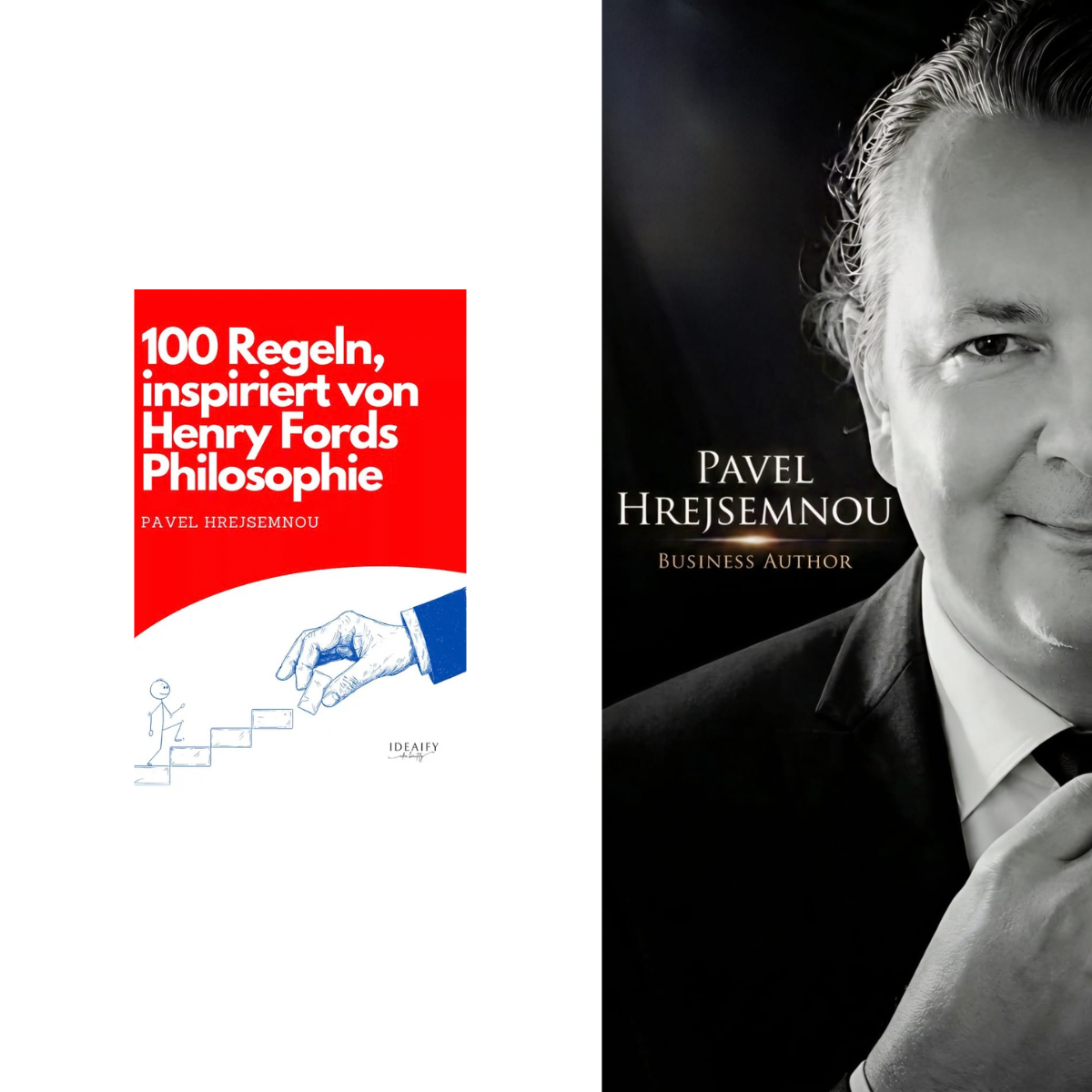
Modern corporations have twisted Ford’s original genius. Ford was obsessed with efficiency and eliminating waste. In my book 100 Rules: Henry Ford, I highlight his core principle: Systematically Eliminate Waste. To Ford, waste was a theft of efficiency.
But modern capitalism took his mass production model and combined it with planned obsolescence, fast fashion, and single-use plastics. We stopped optimizing for durability and started optimizing for cheap, repetitive volume. We are no longer building empires; we are managing highly efficient landfills.
As a C-level leader, you must ask yourself a brutal question: Does my business model rely on the customer throwing away my product every two years? If so, you don’t have a business model. You have an ecological debt.
The ESG Trap vs. Systemic Reality
Boards are demanding ESG (Environmental, Social, and Governance) compliance. Marketing teams are launching “green” campaigns. But if your core operational interface—your supply chain, your manufacturing, your material sourcing—still relies on churning out millions of tons of cheap, disposable products, your ESG strategy is just greenwashing.
True sustainability isn’t a marketing department initiative. It is a fundamental restructuring of how your company creates value. It requires shifting the metric from “How many cheap units can we sell?” to “How much durable value can we deliver?”
The Antidote: The Interface Audit
How do you escape the trap of mass consumption without bankrupting your company? You must return to Ford’s true legacy: the ruthless elimination of systemic waste. This is where an Interface Audit becomes your most powerful strategic tool.
An Interface Audit doesn’t just look at your financial margins. It audits the friction points between your production systems, your supply chain, and the end-of-life of your product. It forces your leadership team to confront the hidden ecological costs of your operational inefficiencies.
When you audit these interfaces, you stop designing products for the trash can. You start designing systems for circularity, durability, and true resource efficiency. You align your capitalist engine with the physical realities of the planet.
Build a Legacy, Not a Landfill
The future of business does not belong to the companies that can produce the cheapest, most disposable goods. It belongs to the leaders who have the courage to redefine “efficiency” for the 21st century. It belongs to those who understand that true profit is what you don’t lose—including the resources of our planet.
Is your operational model built for durable value, or just cheap volume?
Discover how an Interface Audit can restructure your production and supply chain interfaces to eliminate systemic waste, ensure ESG compliance, and build a truly sustainable enterprise.