Table of contents
Share Post
Stop Calling Them “Resources”: Why HR Must Become People Strategy
We still use the term “Human Resources.” We treat it as neutral, professional, standard. But language shapes reality. And this term is poisoning your leadership.
A resource is something you consume, store, and deploy without regard for its internal state. Coal does not care if you burn it efficiently. Steel does not negotiate its workload. Machines do not seek meaning.
People do.
When you label humans as “resources,” you implicitly signal that they are interchangeable inputs in a production system. You tell them: Your value is functional, not human.
The result?
- Engagement drops because people refuse to be reduced to units of labor.
- Innovation stalls because creativity requires psychological safety, not extraction.
- Turnover accelerates because talented individuals leave environments where they feel commodified.
You cannot optimize commitment. You cannot automate belonging. You certainly cannot extract discretionary effort from people who know they are being treated as inventory.
The Industrial Hangover
The phrase “Human Resources” emerged during the industrial expansion of the twentieth century. At that time, organizations were structured like machines. Factories required coordination, efficiency, and predictable output. Workers were often viewed as components within larger production systems.
For industrial systems focused primarily on efficiency, this model functioned reasonably well. But the modern economy is no longer purely industrial.
In the knowledge economy, value emerges from:
- Knowledge
- Creativity
- Problem-solving
- Collaboration
These qualities cannot be stored in factories or warehouses. They exist only within people. A talented engineer can design a product that changes an industry. A visionary leader can redefine a market. In this context, human capability becomes the most valuable form of capital.
Yet we still manage it with vocabulary from the factory floor.
The Shift Toward Human-Centered Organizations
The organizations winning in 2026 have already abandoned this industrial vocabulary. They speak of talent, potential, community, and human capital. They understand that people are not resources to be managed—they are the source of all other resources.
New titles have emerged: Chief People Officer, Head of People and Culture, People Operations. These changes are not merely cosmetic. They signal a deeper transformation in how organizations understand human contribution.
Instead of focusing on control and administration, modern people leaders increasingly focus on:
- Culture
- Belonging
- Development
- Purpose
- Employee Experience
This shift reflects a growing recognition that organizations succeed not by managing resources, but by cultivating human potential.
From Resource Management to Human Development
The future of HR lies in shifting its central mission. Not from managing employees more efficiently. But from unlocking the capability that already exists within them.
This transformation requires new priorities:
- Recruitment becomes talent attraction.
- Training becomes capability development.
- Performance management becomes growth guidance.
The organization no longer asks only how people can serve the company. It also asks how the company can help people become their best professional selves. When this alignment occurs, performance and human development reinforce each other rather than compete.
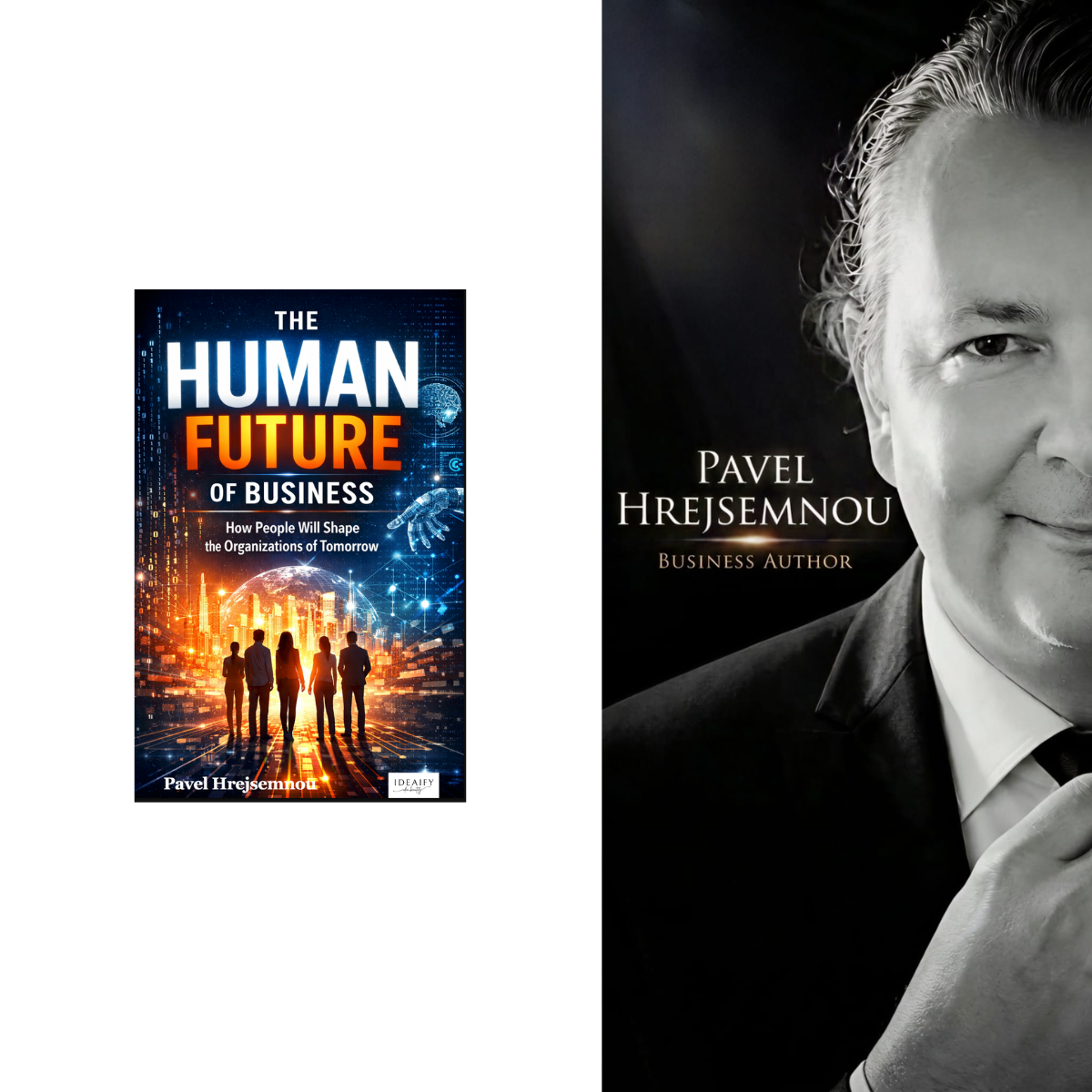
The Complete Framework Is Here
I have spent decades observing how companies evolve, how leaders succeed or fail, and how people search for meaning in the environments where they spend their lives. I’ve distilled these insights into a comprehensive guide for modern leaders who are ready to move beyond the industrial hangover.
Stop speaking the language of the factory floor. Start building the language of human-centered leadership.