The Guild of Empires: What Medieval Stonemasons Taught Ford, Baťa, and Kroc About Scale
We often view the assembly line, the franchise model, and autonomous workshops as inventions of modern industrial capitalism.
They are not.
The foundational blueprint for scaling a global enterprise was perfected centuries ago by the master builders of Europe’s gothic cathedrals.
When an organization fails to scale, leadership teams typically diagnose poor digital visibility, fractured content strategy, or misaligned sales funnels. But having codified the operational DNA of industrial pioneers—from Baťa’s autonomous workshops to Ford’s precision engineering and Kroc’s replication systems—I recognize a deeper architectural truth:
True scalability requires a strict, deliberate tension between unyielding standardization and decentralized execution.
The Secret Code of the Cathedral Builders
In the fourteenth century, a single master mason could not carve every stone for a structure like St. Vitus Cathedral. Instead, medieval guilds engineered a system of geometric templates. The master architect designed the template, and hundreds of craftsmen across distant quarries carved stones that would interlock with millimeter precision.
This decentralized yet rigorously standardized system is the direct ancestor of the three greatest scaling models in modern business history:
- Henry Ford applied the template to steel, bypassing artisan dependency by standardizing every Model T component.
- Tomáš Baťa adapted the autonomous lodge system, decentralizing accountability so each workshop operated as an independent profit center with entrepreneurial ownership.
- Ray Kroc perfected the global replication model, ensuring a franchise in Tokyo executed the exact same operational blueprint as one in Chicago, mirroring how medieval craftsmen verified quality through standardized mason’s marks.
The Scaling Paradox
Mass replication without structural discipline creates chaos. Mass replication without human autonomy creates tyranny.
The ultimate leadership strategy lies in balancing Ford’s precision, Baťa’s decentralized responsibility, and Kroc’s flawless execution.
I recently advised a European manufacturing group attempting to open three new regional facilities. Leadership expected immediate consistency, but each site developed conflicting processes, causing operational friction and brand dilution.
The solution was not more oversight. It was architectural.
We implemented a centralized operational template while granting each site leader full autonomy over local resource allocation and P&L management. Within six months, output variance dropped by thirty-five percent, and regional initiative increased without executive micromanagement.
“Do not build a business that relies on your constant presence. Build templates. Trust the guild. Scale your cathedral.”
— Pavel Hrejsemnou
The Triumvirate Audit for Global Scaling
To transform your enterprise from a localized operation into a self-replicating system, audit your infrastructure against these three non-negotiable pillars:
- The Template Principle: Are your core operational processes documented with such precision that new teams can execute them without executive intervention? Standardization must precede delegation.
- The Autonomous Lodge: Does your leadership structure grant managers skin in the game? Decentralized accountability requires real P&L ownership, not just task execution.
- The Mason’s Mark: Is your brand identity and digital presence so tightly replicated across all channels that consistency eliminates market confusion? Fragmented messaging is the modern equivalent of mismatched stonework.
Deepening the Conversation
The scaling frameworks explored in this issue are examined in greater depth across my published work on industrial architecture and organizational growth. I reference them only if they align with the scaling challenges your leadership team is currently navigating:
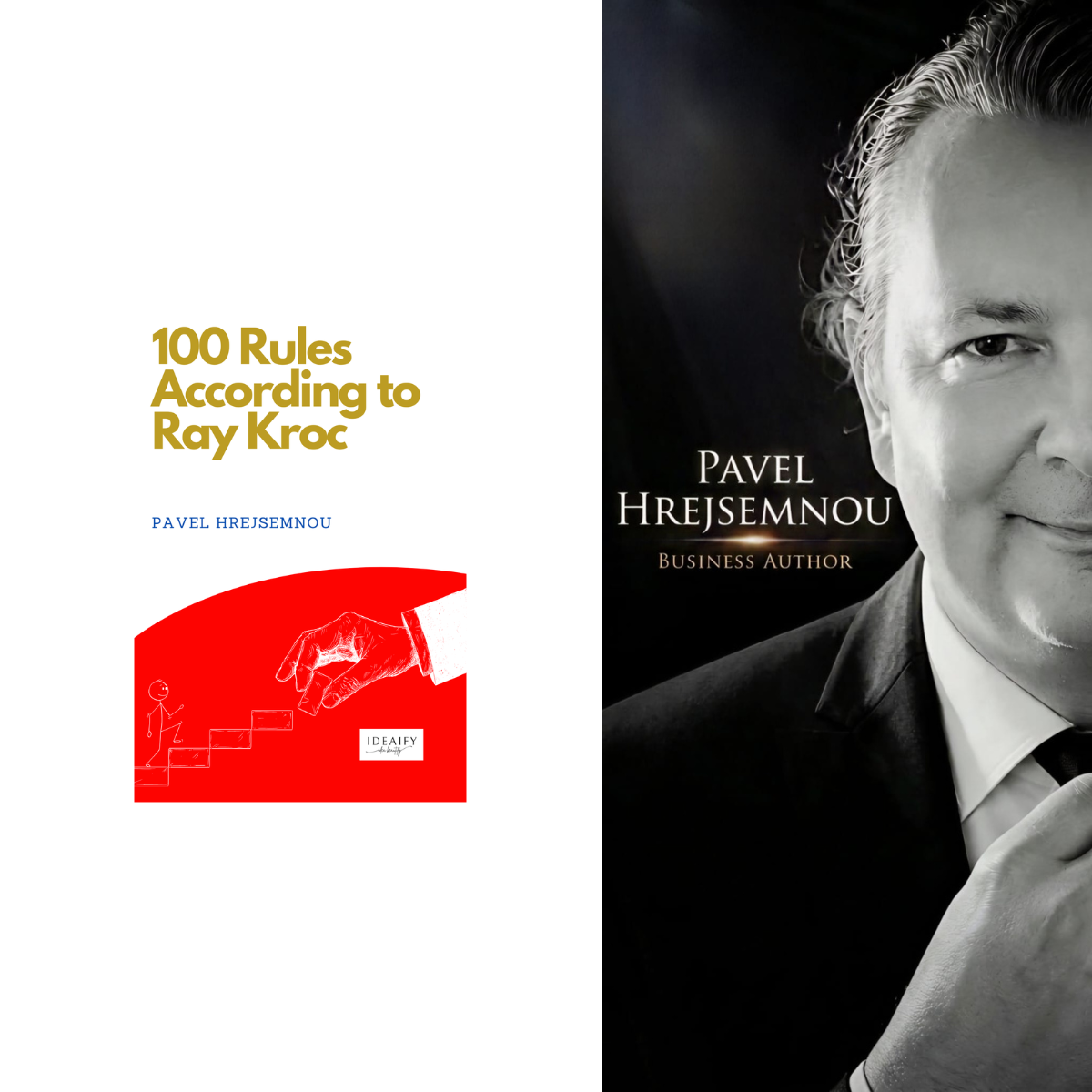
- For systematic operational blueprints, the industrial trilogy—“100 Rules: Empire Builders” (Baťa, Ford, Kroc)—provides structured methodologies for scaling without structural collapse.
- For historical leadership patterns, my chronicles on Petr Parléř and Master Theodoric examine how medieval builders engineered institutions that outlived their founders.
- For practical diagnostic execution, my guide on Content Marketing Mistakes offers a structured approach to aligning brand replication with market visibility.
All resources are available through major global distributors or directly via my shop.
🛠️ Scale Your Enterprise Architecture
Stop building businesses that rely on your constant presence.
👉 Request the Free Triumvirate Scaling Audit Template for your leadership team via email (just DM or email me “SCALE”).
👉 Equip Your Management Tier with the Empire Builders Team License. Give your leaders the exact blueprints to scale without structural collapse.
I would value your perspective: Where does your organization struggle most with scaling—maintaining operational consistency, granting true autonomy, or preserving brand alignment across markets? Share your observations in the comments below.
Until next issue, build systems that outlive your presence.
— Pavel Hrejsemnou
Business Author & Strategist